

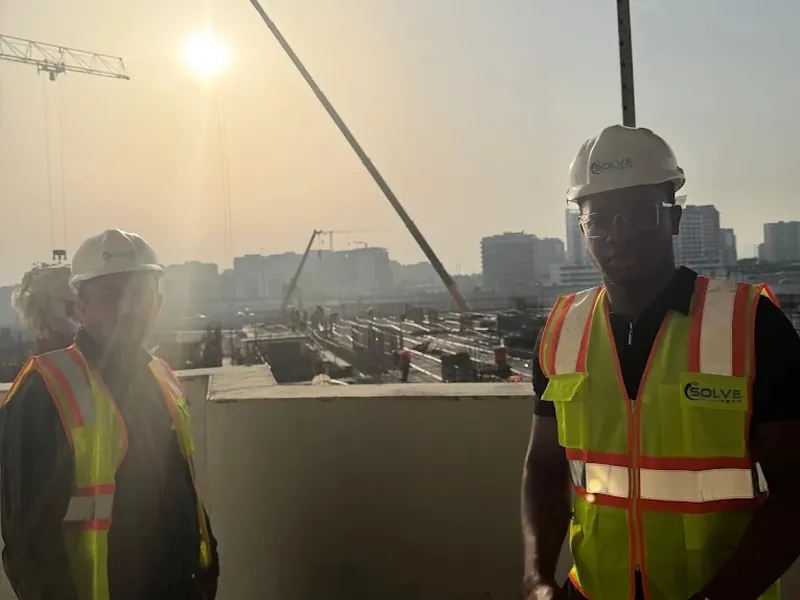
Energy Conservation Measures in Dubai Buildings: Where to Start
Cutting energy use is not about one big purchase. It is a sequence: measure, fix the cheap things, improve controls, then replace equipment.
Quick answer
Energy conservation measures (ECMs) are changes that cut a building's energy use without hurting comfort. In Dubai, cooling dominates, so start by measuring where energy goes, then fix leaks and settings, improve controls and only then replace equipment. Always compare before and after readings so the saving is proven.
We deliver these projects: see ECM contracting and BMS solutions.
Measure before you spend
An energy audit looks at where energy goes: cooling, lighting, pumps, fans and plug loads. Even a short audit with a few weeks of meter data shows patterns, such as plant running overnight. Without a baseline, you cannot tell whether a measure worked.
Quick fixes first
- Schedules that match real occupancy.
- Temperature and pressure set points that are not set lower or higher than needed.
- Dirty coils, filters and heat exchangers cleaned.
- Air and water leaks repaired.
- Equipment left running with no load switched off.
Controls and optimisation
Better control often saves more than new equipment. Variable speed drives on pumps and fans, chiller sequencing, and a BMS that follows demand reduce waste while keeping comfort steady. This step usually costs less than replacing plant.
Replace when the numbers say so
Old chillers, inefficient lighting or oversized motors may justify replacement. Make the case with measured data and expected savings, then verify after installation. A saving that cannot be measured is only a hope.
What a walk-through often finds
- Chilled water set points lower than the building needs.
- Air handling units running full speed when the floors are empty.
- Lights and equipment left on overnight.
- Simultaneous heating and cooling in some zones.
- Dirty coils and filters forcing fans to work harder.
None of these needs new equipment. They need someone to look, adjust and then check that the change held.
Why savings fade, and how to keep them
Many buildings save energy in the first months and then drift back. Someone changes a set point during a hot day and never changes it back. A sensor drifts. A schedule is overridden for an event and left that way.
The remedy is routine: monthly review of energy data, alarms for overrides, and a named person responsible. Without it, savings quietly disappear. With it, a few simple measures can keep paying off for years.
Talk to an engineer about your project.
Frequently asked questions
Where does most energy go in a Dubai building?
In most commercial buildings, air conditioning is the largest share, followed by lighting and pumps and fans. The exact split depends on the building, so a short audit with meter data is worth doing before choosing any upgrade.
Do I need to replace equipment to save energy?
Not necessarily. Scheduling, set point changes, cleaning, repairs and better controls often deliver savings at low cost. Replacement makes sense when equipment is old, inefficient or oversized, and the data shows a clear case.
How do I know the savings are real?
Compare energy use before and after the change, adjusted for weather and occupancy. A baseline from meter data, taken before work begins, is what makes this possible. We agree the method with you at the start.
What is the first step for my building?
Collect twelve months of utility bills if you have them, list the main plant and book a walk-through. From that we can suggest where to look first and whether a fuller audit is worth doing.
Is solar part of energy conservation?
Solar generates energy rather than reducing demand, so it is usually treated as a separate step. The best order is to reduce demand first, then size solar for the lower load. Our solar guide covers costs and payback.
How long does an energy audit take?
A basic walk-through and data review can take a few days of site work, followed by analysis and a report. A detailed audit with metering takes longer. We agree the depth with you based on building size and what you want to learn.
Related services

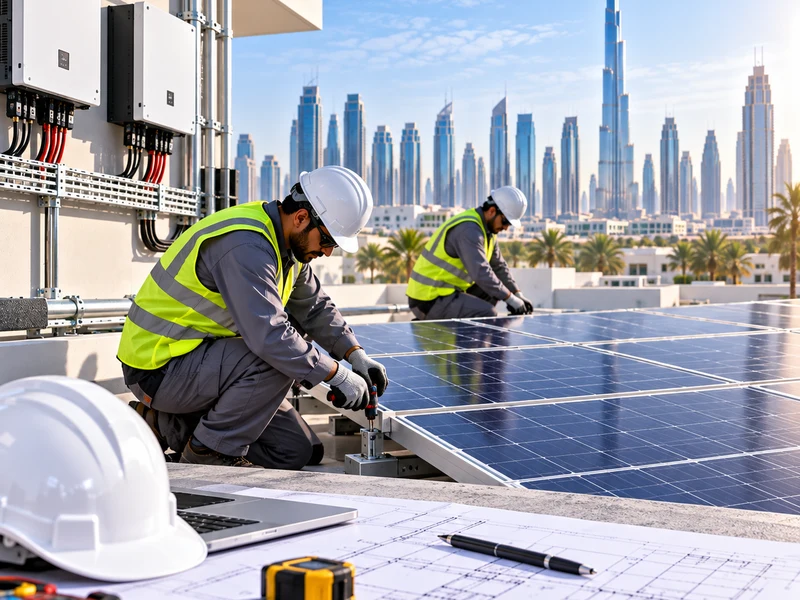
Keep reading
All articles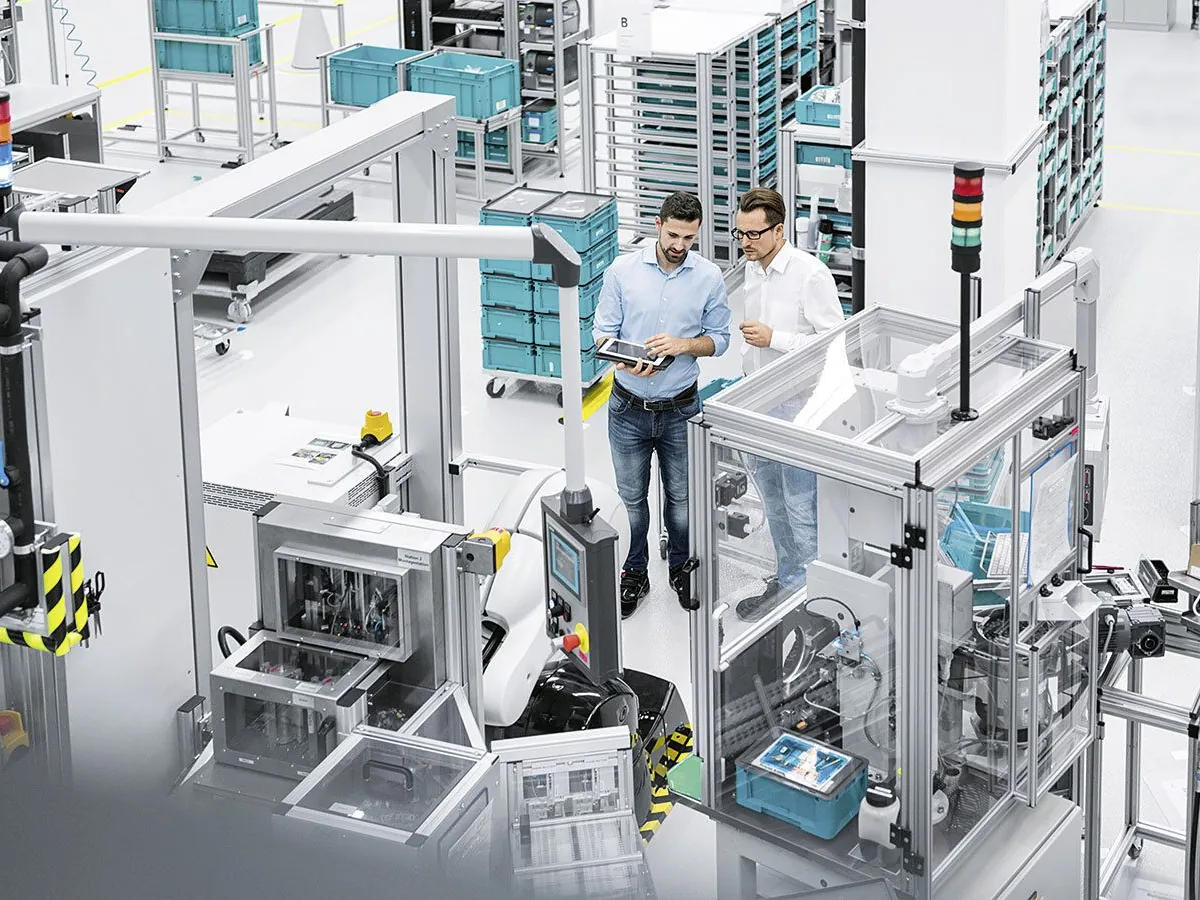
Variable Frequency Drives for Pumps and Fans in Dubai: When They Pay Off
A drive can cut energy and wear on pumps and fans, but only when the load actually varies. Here is how to tell if yours does.
Read article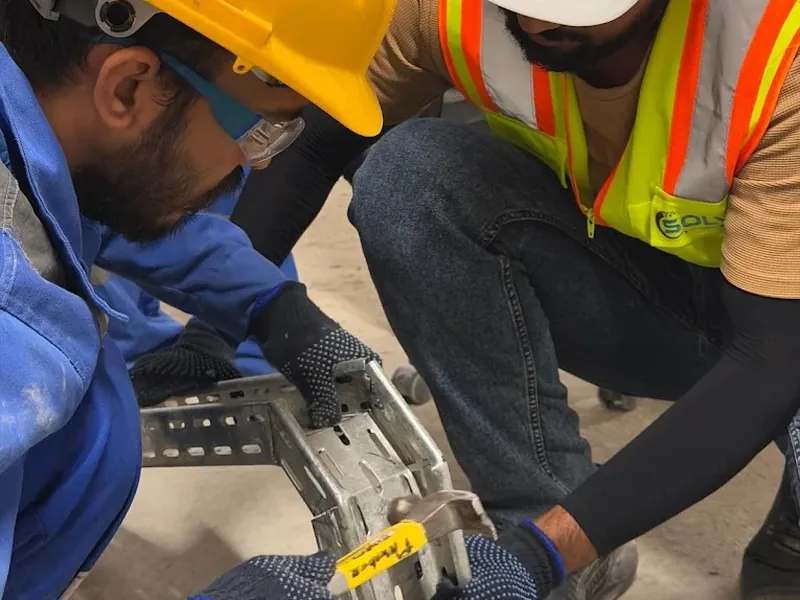
Preventive Maintenance in Dubai: How to Build a Plan That Works
Breakdown maintenance costs more and disrupts more. A simple, honest preventive plan beats an ambitious one that nobody follows.
Read article
Access Control in Dubai: Choosing a System for Offices and Buildings
Access control is more than a card reader. The door, the lock, the fire release and the people who use it all have to work together.
Read article
Ready to talk about your project?
Call +971 52 406 4300, or send us your drawings and we will reply with next steps.