

Variable Frequency Drives for Pumps and Fans in Dubai: When They Pay Off
A drive can cut energy and wear on pumps and fans, but only when the load actually varies. Here is how to tell if yours does.
Quick answer
A variable frequency drive (VFD) changes a motor's speed to match demand, instead of running flat out and throttling the output. On pumps and fans whose load changes during the day, this can reduce energy use noticeably and soften starts. A drive adds little where the motor always runs at full load, so check the load profile first.
We supply and commission drives: see VFD contracting and VFD consultant.
Why speed control saves energy
For pumps and fans, power rises quickly with speed. Running a little slower uses much less power. A drive lets the motor follow demand, rather than running at full speed and using valves or dampers to waste the extra.
Where drives make sense
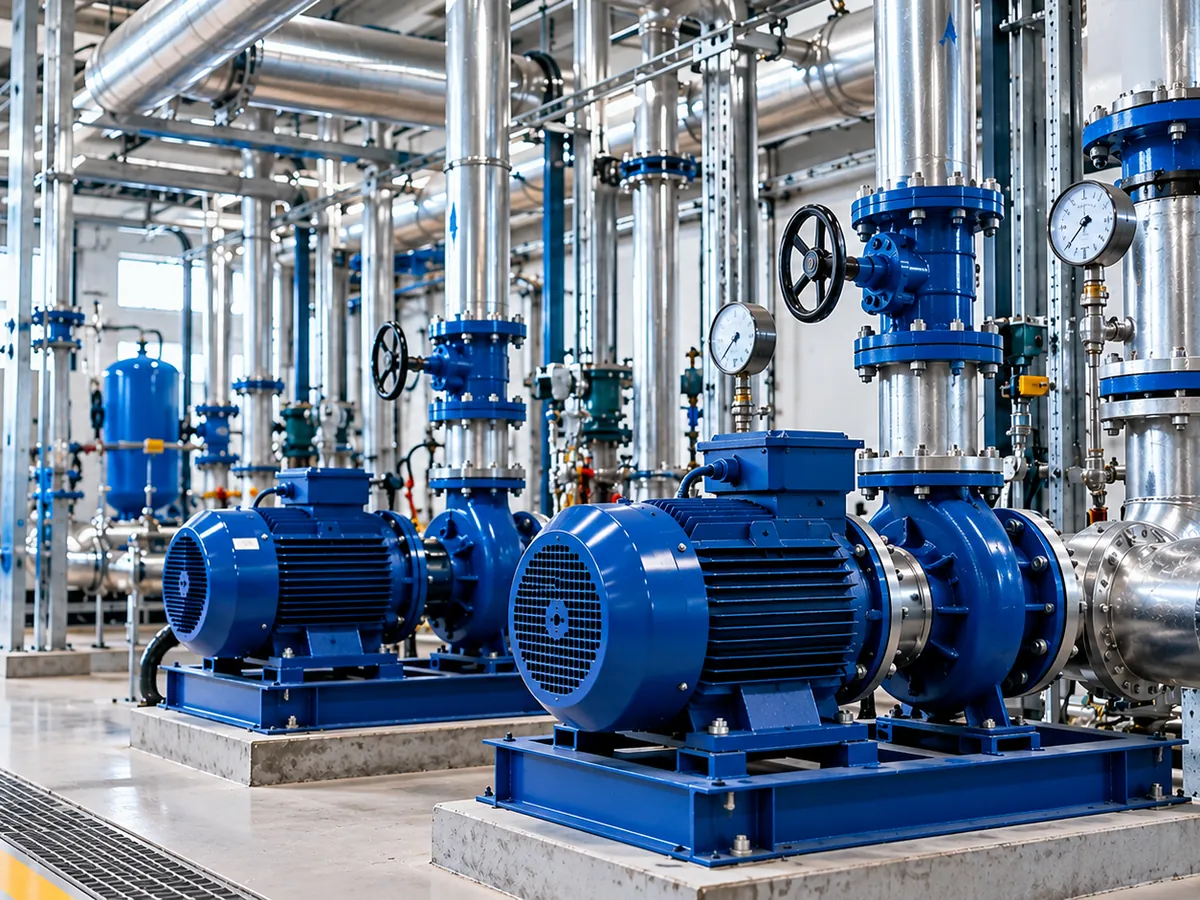
- Booster and chilled water pumps with changing demand.
- Air handling unit fans with variable air volume.
- Cooling tower fans following load and temperature.
- Motors that need a soft start to reduce stress on the supply and equipment.
What to check before you install
Check motor condition and rating, cable length, enclosure and cooling in the panel room, harmonics on the supply and the control signal the drive will follow. Dubai heat matters: a drive in a hot, dusty room without ventilation will fail early.
Commissioning and settings
Set ramp times, minimum speed, protection limits and the control loop properly, and record the settings. A good drive badly set can cause pressure swings or nuisance trips. Keep a settings backup for the day a drive is replaced.
The panel room is where drives live or die
Most early drive failures we see are not electrical design faults. They are heat. A drive installed in a small, closed room with no ventilation in Dubai summer will trip or fail early, whatever the brand. Dust is the second enemy, because it clogs heat sinks and fans.
So when we plan a drive, we look at the room as carefully as the drive: airflow, ambient temperature, filter access, and whether the panel door can be opened without hitting a wall. Good installation habits matter more than the model number.
Questions before you order
- What is the motor rating and condition?
- How long is the cable between the drive and the motor?
- Does the supply have harmonic limits that must be met?
- Is there a bypass if the drive trips?
- What signal will tell the drive how fast to run?
Talk to an engineer about your project.
Frequently asked questions
How much energy can a VFD save?
It depends on how much the load varies and how long the motor runs below full speed. Pumps and fans with large swings in demand save the most. Where the motor runs at full load nearly all the time, the saving is small.
Can I fit a VFD to an existing motor?
Often yes, if the motor is in good condition and suitable for drive operation. Older motors and long cable runs may need extra protection such as output filters. A site check before ordering avoids surprises.
Do drives need special cooling in Dubai?
Yes. Drives produce heat, and high ambient temperature and dust shorten their life. Panels should have adequate ventilation or air conditioning, clean filters and enough space around the drive, as stated in the manufacturer's data.
What happens when a VFD fails?
Plan for it. A bypass arrangement can let the motor run directly while the drive is repaired, if the system allows it. A saved settings file and a spare or quick supply route reduce downtime considerably.
Do VFDs cause problems for other equipment?
They can create electrical noise or harmonics on the supply, which may affect sensitive equipment. Good practice includes proper cabling, filters where needed and following manufacturer guidance. We check this during design so the drive does not cause problems elsewhere in the building.
How long do VFDs last?
With a suitable environment, regular cleaning and fan replacement when due, drives can last many years. Heat, dust and poor ventilation shorten life. Regular checks of fans, filters and connections are a cheap way to avoid unexpected failures.

Keep reading
All articles
Energy Conservation Measures in Dubai Buildings: Where to Start
Cutting energy use is not about one big purchase. It is a sequence: measure, fix the cheap things, improve controls, then replace equipment.
Read article
Preventive Maintenance in Dubai: How to Build a Plan That Works
Breakdown maintenance costs more and disrupts more. A simple, honest preventive plan beats an ambitious one that nobody follows.
Read article
Access Control in Dubai: Choosing a System for Offices and Buildings
Access control is more than a card reader. The door, the lock, the fire release and the people who use it all have to work together.
Read article
Ready to talk about your project?
Call +971 52 406 4300, or send us your drawings and we will reply with next steps.