

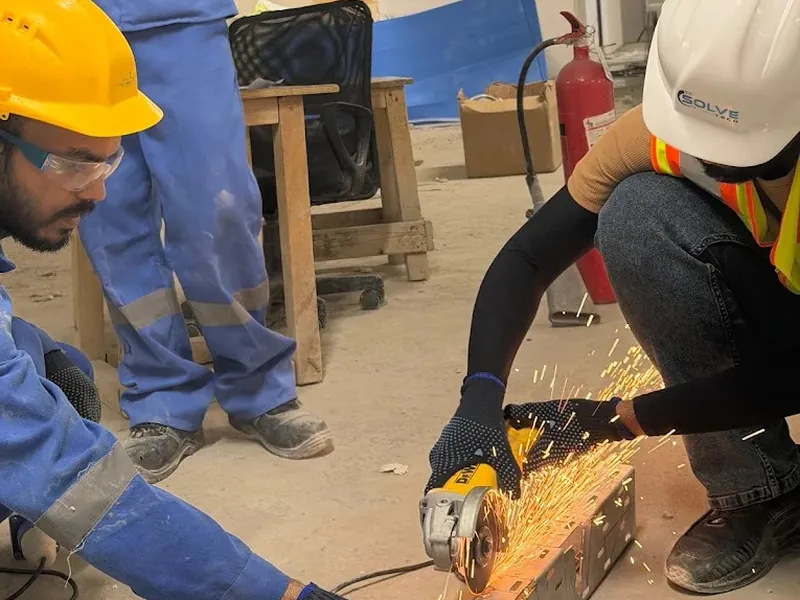
Preventive Maintenance in Dubai: How to Build a Plan That Works
Breakdown maintenance costs more and disrupts more. A simple, honest preventive plan beats an ambitious one that nobody follows.
Quick answer
Preventive maintenance (PPM) means servicing equipment on a schedule before it fails. A workable plan starts with an asset list, ranks equipment by how critical it is, sets service tasks and frequencies, and records every visit. The aim is fewer surprise breakdowns, longer equipment life and records you can trust.
We provide this service: see facility management and preventive maintenance.
Build the asset list first
You cannot maintain what you have not listed. Walk the building and record every major item: chillers, AHUs, pumps, panels, generators, fire systems, lifts interfaces. Note location, make, model and condition. Photos and tags make repeat visits faster.
Rank by criticality
Not everything deserves the same attention. A failed pump that serves a data hall matters more than a failed extract fan in a storeroom. Rank assets by the impact of failure, then spend your effort accordingly.
Set tasks and frequencies
- Use manufacturer guidance as a starting point.
- Adjust for operating hours, dust, heat and age.
- Keep task lists short and specific, so technicians complete them.
- Separate quick routine checks from deeper annual servicing.
Record, review, improve
Every visit should leave a record: what was checked, what was found and what was done. Review repeat faults each quarter. A pump failing three times a year is telling you something, and the plan should change in response.
Start small and keep going
The plans that fail are the ambitious ones. Hundreds of tasks, spreadsheets nobody opens, a system bought before the habits exist. We usually suggest starting with the equipment that would hurt most if it stopped: cooling plant, pumps, main panels, generators and fire systems. Get those visits done, recorded and reviewed for three months, then add more.
A short plan done every time beats a long plan done sometimes.
What a good visit report contains
- Asset name, tag and location.
- What was checked, with simple pass or fail results.
- Readings, such as temperatures, pressures or run hours, where they matter.
- Defects found and what was done about them.
- Photos of anything unusual.
- Recommendations, including parts to order.
This turns maintenance from a cost into information, and it is what lets you plan budgets instead of reacting to breakdowns.
Talk to an engineer about your project.
Frequently asked questions
What does PPM stand for in facility management?
PPM stands for planned preventive maintenance: scheduled servicing of equipment to prevent failures, instead of waiting for it to break. It usually covers HVAC, electrical, plumbing, pumps and fire systems, with checklists and written records for each visit.
Is preventive maintenance more expensive than fixing things when they break?
Over time it is usually cheaper, because planned visits catch small faults before they become emergencies, and equipment lasts longer. The exact balance depends on the equipment and how critical it is to your operation.
What should I measure to know the plan is working?
Track the number of unplanned breakdowns, how many planned tasks were completed on time, response and repair times, and repeat faults on the same asset. Falling breakdowns and rising completion rates show the plan is paying off.
Can one contractor maintain all building systems?
Often yes for mechanical, electrical and plumbing, which helps coordination and accountability. Specialist systems such as lifts or some fire equipment may need approved specialists. We agree the split clearly in the scope.
How often should air conditioning equipment be serviced?
It depends on the equipment, how much it runs and how dusty the environment is. Filters and coils often need attention more often than other parts in Dubai conditions. We build the schedule from manufacturer guidance and adjust it using what we find on site.
What is the difference between preventive and corrective maintenance?
Preventive maintenance is planned work done before anything fails, such as cleaning, lubrication and tests. Corrective maintenance is repair after a fault. A good plan aims for more of the first so you need less of the second.
Keep reading
All articles
Variable Frequency Drives for Pumps and Fans in Dubai: When They Pay Off
A drive can cut energy and wear on pumps and fans, but only when the load actually varies. Here is how to tell if yours does.
Read article
Energy Conservation Measures in Dubai Buildings: Where to Start
Cutting energy use is not about one big purchase. It is a sequence: measure, fix the cheap things, improve controls, then replace equipment.
Read article
Access Control in Dubai: Choosing a System for Offices and Buildings
Access control is more than a card reader. The door, the lock, the fire release and the people who use it all have to work together.
Read article
Ready to talk about your project?
Call +971 52 406 4300, or send us your drawings and we will reply with next steps.