


Booster Pump Systems in Dubai Buildings: Sizing, Control and Common Faults
Low pressure on the top floors is rarely a mystery. It is usually the pump set, the pressure settings or the pipework. Here is how to tell which.
Quick answer
A booster pump set raises water pressure in a building so the top floors get the flow they need. Good sets use duty and standby pumps, a pressure vessel and a variable speed drive, sized from the real demand. Low pressure, noise and pumps that start and stop constantly usually point to wrong sizing, wrong settings or a failed vessel.
We supply, install and repair these systems: see pumps and pumping systems.
How a booster set is built
A typical set has two or three pumps, a pressure vessel, valves, a manifold and a control panel. One pump runs, one waits as standby, and in larger sets an assist pump joins at peak demand. A variable speed drive lets the pump follow demand, so pressure stays steady instead of swinging.
Sizing from real demand
The set must meet two things at once: the flow when many outlets are open, and the pressure at the highest and furthest point. Sizing from a guess leads to either weak pressure or an oversized set that cycles and wastes energy. The design should show flow, head and the assumptions behind them.
Common faults and what they mean
- Pressure swings: often a waterlogged or incorrectly charged pressure vessel.
- Pump starting and stopping constantly: short-cycling from wrong settings or a failed vessel.
- Noise or vibration: worn bearings, cavitation, or a pump working far from its design point.
- Low pressure upstairs: undersized set, partly closed valves or pipework restrictions.
Keep it reliable
Test the changeover between duty and standby, check the vessel charge, and keep records of pressure and run hours. A short planned visit finds most faults before residents do.
Reading the pressure gauge like an engineer
A pressure gauge on the discharge side and another at the highest floor tell you more than any opinion. If pressure at the pump looks healthy but is poor upstairs, the problem is in the pipework or valves. If it is poor at the pump too, look at the pump, the suction side or a failing vessel.
Also watch the needle while a pump starts and stops. A needle that jumps wildly points to a vessel that has lost its air charge. A pump that starts every few seconds is short-cycling, which wears seals and motors quickly. These two checks take five minutes and save a lot of guessing.
Before you buy a replacement set
- Measure real flow and pressure first. The old set may have been right and something else may have changed.
- Check the tank and suction pipe. A starved pump is not fixed by a bigger pump.
- Ask for the pump curve and the duty point on the quotation.
- Confirm the panel, drive and alarms are included and who commissions them.
- Plan the changeover so water is only off for a short, announced period.
Talk to an engineer about your project.
Frequently asked questions
Why do I have low water pressure on the upper floors?
Common causes are an undersized pump set, a pressure vessel that has lost its charge, partly closed valves or pipework that is too small for the flow. Measuring pressure at the pump and at the furthest outlet shows which one is responsible.
What does duty and standby mean?
Two pumps share the work. One runs while the other waits and takes over automatically if the first fails, and the duty usually rotates so both wear evenly. It means a single pump failure does not leave the building without water.
Do booster pumps need a variable speed drive?
Not always, but a drive helps keep pressure steady and avoids hard starts. It also saves energy when demand is low. For buildings with large swings in use, such as hotels and towers, a drive is usually worth specifying.
How often should a booster set be serviced?
A planned visit once or twice a year is common practice, with more frequent checks on critical buildings. It should cover vessel charge, seals, bearings, controls and the duty and standby changeover, with a short written report each time.
What size booster pump does my building need?
It depends on the number of floors, the fixtures served and how many are used at the same time. We size from demand and required pressure at the highest point, not from the pump you already have. Send us the building details and we can advise.
Can a booster pump damage my pipework?
Yes, if pressure is set too high or surges are not controlled. Excess pressure strains joints, valves and fittings and causes leaks and noise. A pressure-reducing arrangement on lower floors and a correctly charged vessel protect the system.
Related services
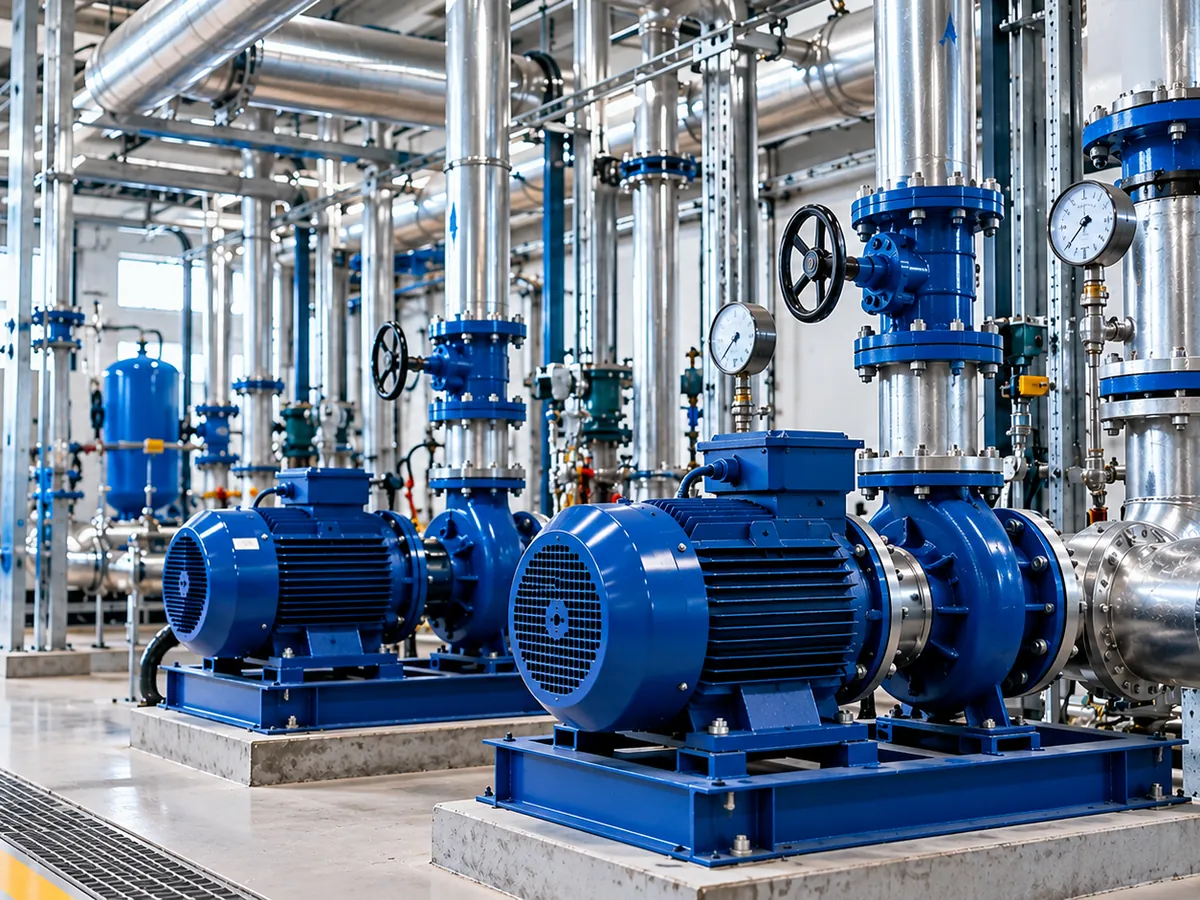
Pumps & Pumping Systems
Booster, transfer, HVAC and sump pumps supplied, installed and repaired.
Read more
VFD Contracting
Variable frequency drives supplied, installed, programmed and commissioned.
Read more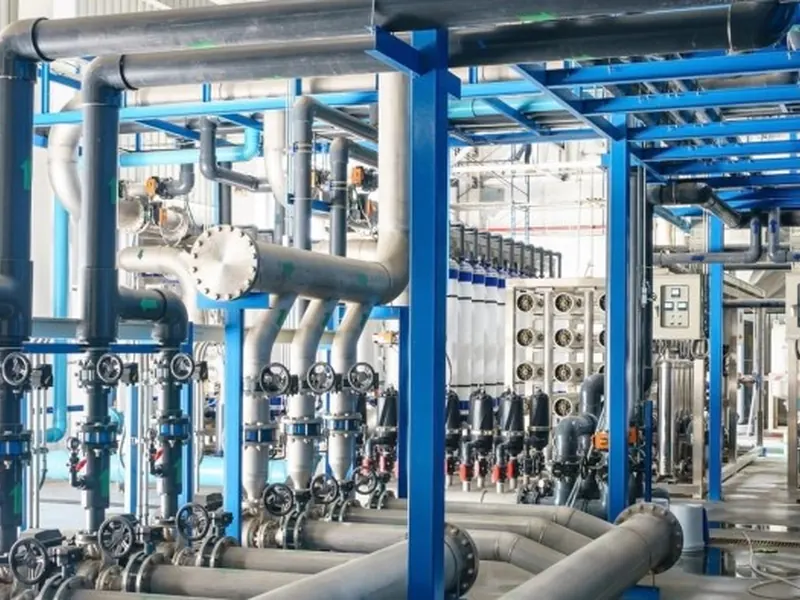
Plumbing Contracting
Water supply, drainage, pumps and tanks installed and pressure-tested.
Read moreKeep reading
All articles
Variable Frequency Drives for Pumps and Fans in Dubai: When They Pay Off
A drive can cut energy and wear on pumps and fans, but only when the load actually varies. Here is how to tell if yours does.
Read article
Energy Conservation Measures in Dubai Buildings: Where to Start
Cutting energy use is not about one big purchase. It is a sequence: measure, fix the cheap things, improve controls, then replace equipment.
Read article
Preventive Maintenance in Dubai: How to Build a Plan That Works
Breakdown maintenance costs more and disrupts more. A simple, honest preventive plan beats an ambitious one that nobody follows.
Read article
Ready to talk about your project?
Call +971 52 406 4300, or send us your drawings and we will reply with next steps.