

Home Automation in Dubai: A Practical Guide for Villa Owners
Smart homes go wrong at the wiring stage, not at the app stage. This guide covers what to decide early so the system works and stays easy to live with.
Quick answer
Home automation links lighting, air conditioning, curtains, audio and security so they work as one system. For a Dubai villa the key decisions are made before the walls close: wired or wireless, which rooms need scenes, and where cabling must run. Plan the system around how the family lives, then choose the platform, not the other way round.
Planning one? See our home automation contracting and home automation consultant services.
Start with how you live
List what you actually want each room to do. A "good night" scene that turns lights off, closes curtains and sets the air conditioning is useful. Twenty switches that nobody understands are not. Walking through each room with the designer, before drawings are fixed, produces a short and honest brief.
Wired, wireless or both
Wired systems such as KNX are dependable and open to many manufacturers, but they need cabling planned before finishes go in. Wireless systems are easier to add to an existing villa, but depend on a healthy network and need more care with battery devices. Many villas use a wired backbone for lighting and curtains and wireless for the extras.
Things to settle before wiring
- Lighting circuits and dimming: which lights dim, and which need scenes.
- Curtain and blind motors: power and control cable at every window.
- Air conditioning integration: which units can be controlled and how.
- Network and rack: a proper place for equipment, with power and ventilation.
- Security and door entry: cameras, door stations and locks that share one interface.
Aftercare matters
A system is not finished at handover. Scenes need tuning after the family moves in, and someone should be able to support it later. Ask for drawings, a settings backup and a named contact. Without them, the next change becomes a guessing game.
What we usually suggest leaving out
Homeowners are often shown long lists of things that can be automated. Not all of them earn their place. Some switches are quicker by hand, and each extra device is one more thing to maintain.
A good test is simple: will this save a daily annoyance, or add comfort that the family will notice every week? Lighting scenes, curtains that close at sunset, and air conditioning that cools rooms before you arrive usually pass. A talking mirror in the guest bathroom rarely does. We would rather build a smaller system that people enjoy using than a large one that gets switched back to manual.
A sensible order for a new villa
- Fix the lighting layout and decide which circuits dim.
- Agree window treatments, so motor cables are left at every window.
- Plan the network rack, Wi-Fi coverage and cable routes.
- Decide the air conditioning control approach with the HVAC contractor.
- Add audio, cameras and door entry last, once the core is stable.
Doing it in this order means walls are opened once, and you can add features later without drilling through finished marble.
Talk to an engineer about your project.
Frequently asked questions
Can I add home automation to an existing villa?
Yes. Wireless and hybrid systems let you automate lighting, curtains and air conditioning without opening every wall. A survey shows what can be reused and where new cable is worth adding, for example to curtain motors or a network rack.
Is KNX better than a wireless system?
Neither is always better. KNX is robust and open to many manufacturers, but it needs planning before finishes. Wireless is quicker to retrofit but relies on a healthy network. The right choice depends on whether the villa is new or existing and how much you want to control.
What happens if the internet goes down?
A well-designed system keeps basic functions working locally: switches, scenes and schedules should not depend on the internet. Remote access and voice control do need a connection. Ask the designer which functions work offline before you approve the design.
Who supports the system after installation?
Ask for this in writing before you start. Good practice is a handover pack with drawings and settings backups, plus a support agreement or a named contact. Without that, changes and faults can become slow and expensive to trace.
How much maintenance does a smart home need?
Less than people expect, if it is designed well. Occasional firmware updates, battery changes in wireless devices and a check after power cuts cover most of it. A named support contact and a settings backup make fixes quick when something does need attention.
Will home automation work with my existing air conditioning?
Often yes. Many split and ducted units can be controlled through a thermostat interface or the manufacturer's own gateway. A site check shows which units can be integrated cleanly, and which are better left on their own controllers.
Related services
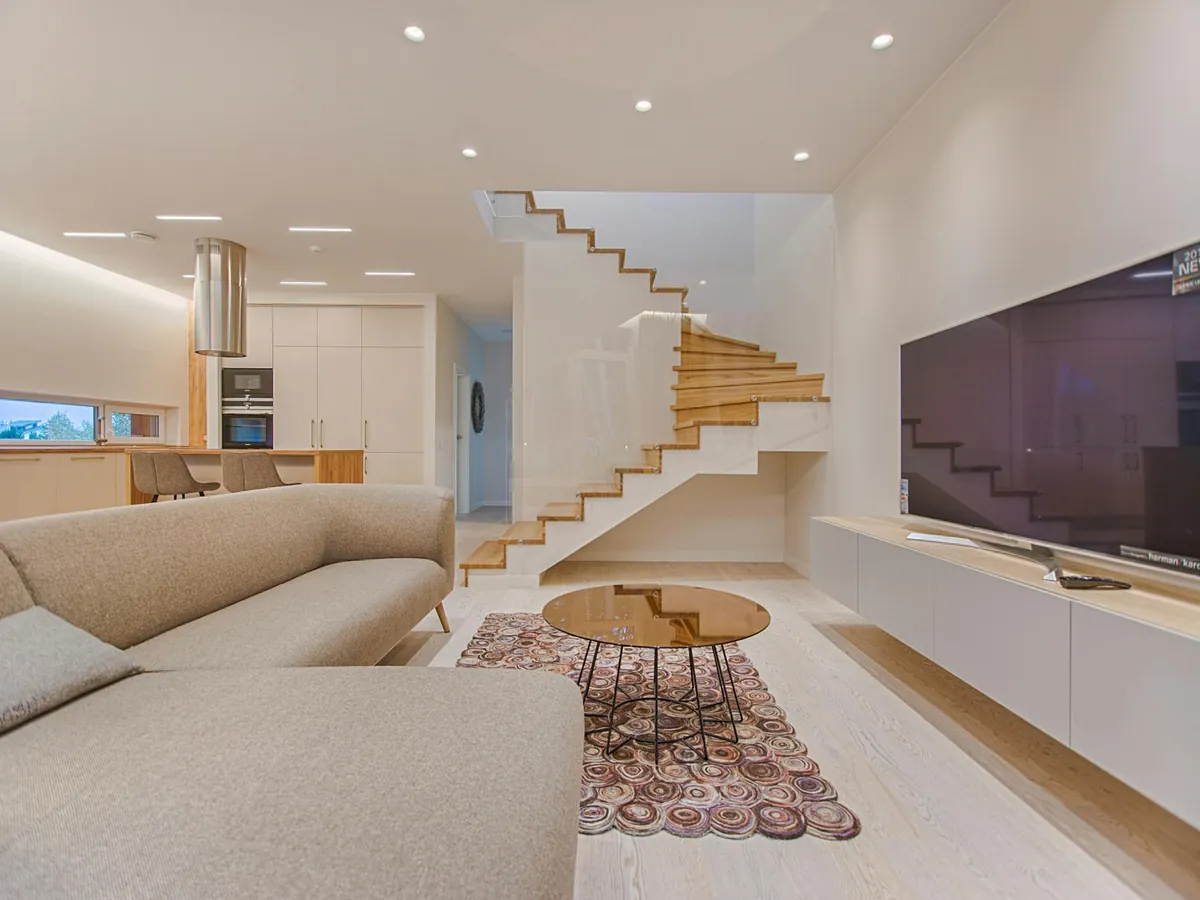
Home Automation Contracting
Smart lighting, AC, curtains, audio and security installed and programmed.
Read moreHome Automation
Smart lighting, climate, shading, AV and security designed as one system.
Read more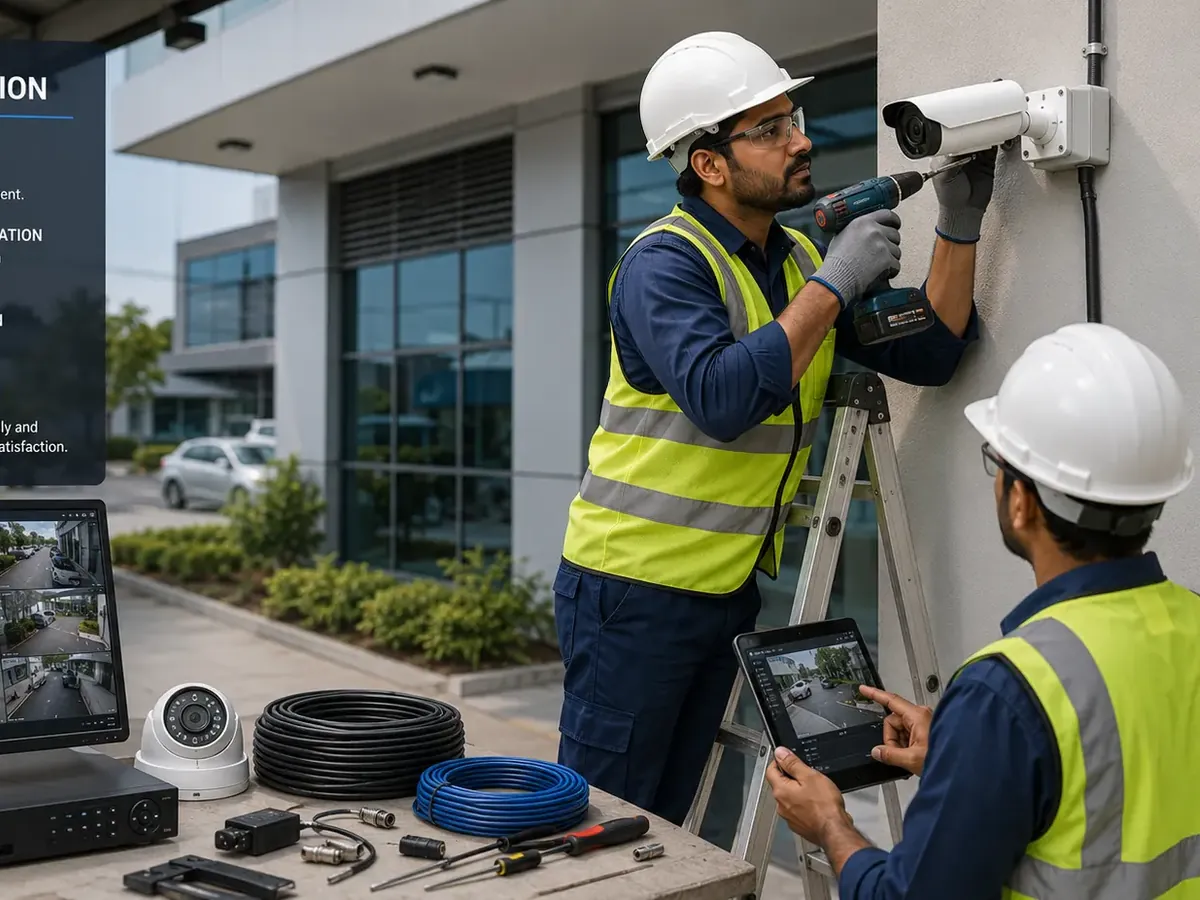
Access Control Contracting
Readers, locks, turnstiles, barriers and visitor systems installed.
Read moreKeep reading
All articles
Variable Frequency Drives for Pumps and Fans in Dubai: When They Pay Off
A drive can cut energy and wear on pumps and fans, but only when the load actually varies. Here is how to tell if yours does.
Read article
Energy Conservation Measures in Dubai Buildings: Where to Start
Cutting energy use is not about one big purchase. It is a sequence: measure, fix the cheap things, improve controls, then replace equipment.
Read article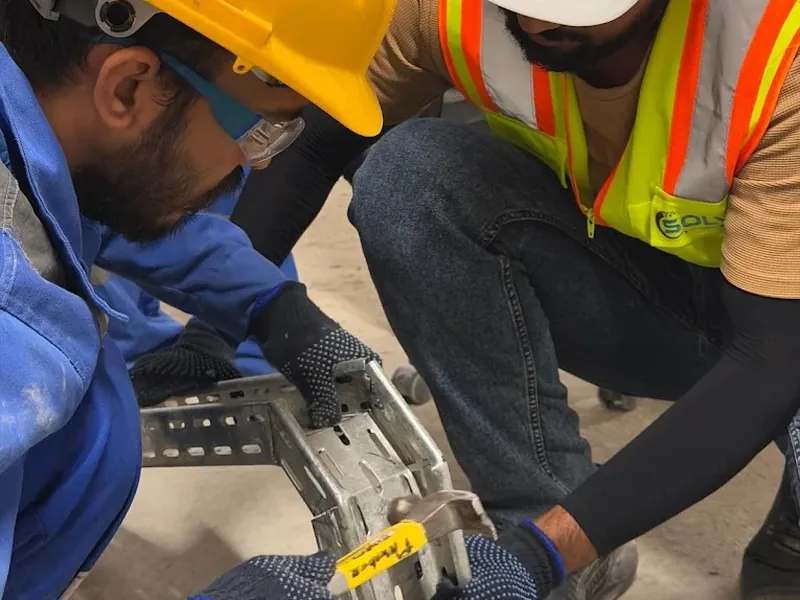
Preventive Maintenance in Dubai: How to Build a Plan That Works
Breakdown maintenance costs more and disrupts more. A simple, honest preventive plan beats an ambitious one that nobody follows.
Read article
Ready to talk about your project?
Call +971 52 406 4300, or send us your drawings and we will reply with next steps.