

Building Management System (BMS) in Dubai: What It Does and What to Specify
A BMS only saves energy and effort if someone specifies it properly and someone actually uses it. Here is what it should do, and what to write down before you buy.
Quick answer
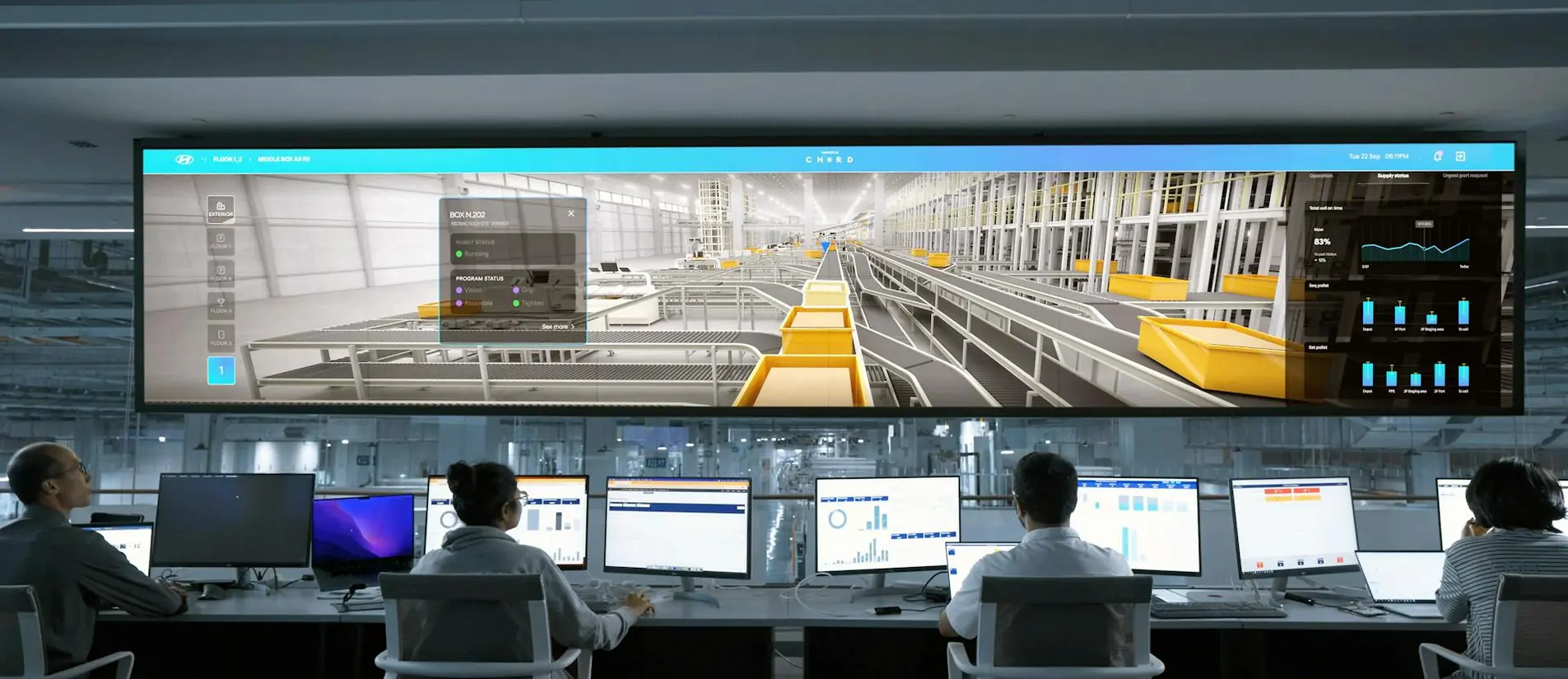
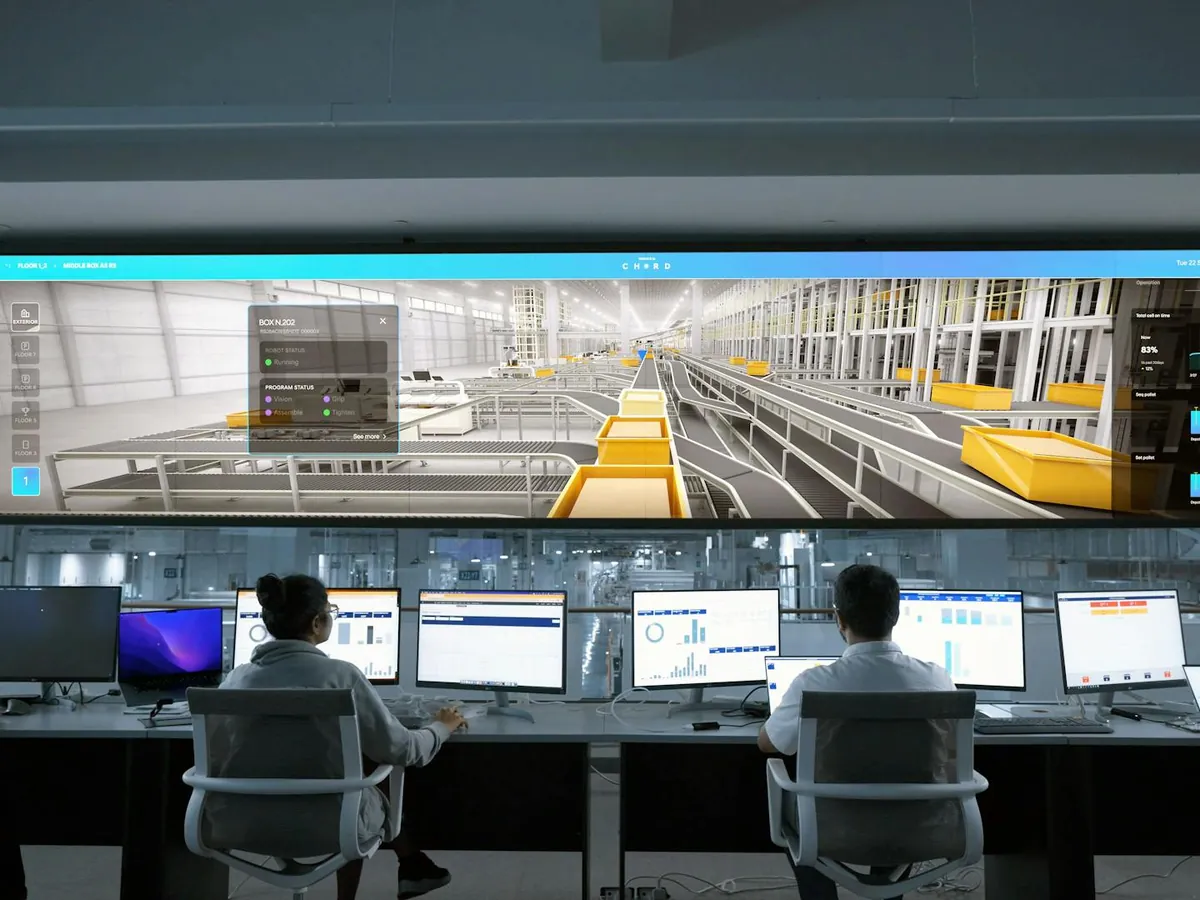
A building management system (BMS) monitors and controls plant such as chillers, air handling units, pumps and ventilation from one set of screens. In Dubai its main jobs are keeping cooling under control, raising alarms early and showing where energy goes. A good one starts from a written points schedule and control sequences, not from a brand.
Need one designed or installed? See our BMS contracting and BMS consultant services.
What a BMS actually does
Most of the day, a BMS does three quiet things. It runs schedules, so plant starts and stops when the building needs it. It follows control sequences, such as raising the chilled water temperature when load is low. And it raises alarms, so a failed fan or a stuck valve is seen before someone calls to say the office is hot.
It is not a magic box. It controls what the plant and its sensors allow it to control. A BMS fitted to equipment with no sensors or no control inputs can only watch.
What to put in the specification
Write the specification around what you need to see and do, not around screens.
- Points schedule: every monitored and controlled point, listed by plant item.
- Control sequences: written steps for chillers, AHUs, FCUs, pumps and ventilation.
- Integration: which equipment talks to the BMS, and over which protocol (BACnet and Modbus are common).
- Metering and trends: what energy and run-hour data you want stored, and for how long.
- Handover: graphics, backups, drawings and operator training.
Why many BMS systems end up ignored
The usual reasons are practical. Alarms were never rationalised, so operators see hundreds of messages and stop looking. Sensors drifted and nobody recalibrated them. Someone overrode a setting during a heatwave and it was never released. Or the graphics are hard to read, so people go back to walking the plant room.
A short, regular health check fixes most of this: review alarms, check sensors, release overrides and back up the programs.
Retrofitting an older building
Older plant often has its own controllers that do not talk to anything. You do not always need to replace them. A survey shows which controllers support open protocols, which can be integrated through a gateway, and which are worth replacing. Upgrading in stages, plant item by plant item, keeps the building running while the system improves.
A short story every facility team knows
The call usually goes like this: the fourth floor is warm, the BMS shows nothing wrong, and someone is sent to look at the air handling unit. Twenty minutes later they find a damper actuator that came off its shaft months ago. The BMS never knew, because nobody wired a feedback signal to it.
That is the real lesson of a points schedule. A BMS can only report what it has been given to read. When we review an older building, the first thing we check is not the software. It is which signals actually reach the controller: status, feedback, temperatures, pressures and alarms. Gaps there matter far more than how good the graphics look.
Questions to ask a BMS contractor before you sign
- Who writes the control sequences, and will you get a copy in plain language, not only the program?
- Which protocols will each piece of plant use, and who is responsible when two devices will not talk?
- What is tested before handover, and do we witness it?
- Do we get the program files, passwords and a backup, or only a login?
- Who answers the phone when an alarm is wrong at midnight?
If an answer is vague, that is information. A contractor who has done this before will explain it simply.
Talk to an engineer about your project.
Frequently asked questions
Do I need a BMS for a small building?
Not always. A small building with a few split units may only need good thermostats and timers. A BMS pays off when there is central plant, many zones or a facility team that needs alarms, schedules and trend data in one place, rather than walking round checking each unit.
What is a BMS points schedule?
It is a table listing every point the BMS monitors or controls, grouped by plant item, with its type and purpose. It is the basis for pricing, programming and testing. If two contractors price from different point lists, their quotes cannot be compared fairly.
Can a BMS connect to equipment from different brands?
Often yes, when the equipment supports open protocols such as BACnet or Modbus. We check what each chiller, drive and meter supports before design, because the protocol decides what can be read and what can be controlled once the system is built.
Will a BMS reduce my cooling bill?
It can, by scheduling plant properly, avoiding simultaneous heating and cooling and showing faults that waste energy. The saving depends on the building and on whether the team uses the system. A BMS that nobody reviews saves very little.
What is the difference between a BMS and a SCADA system?
They overlap, but a BMS is built around building services such as cooling, ventilation, lighting and energy. SCADA is more common in industrial and utility processes. Many sites use both. Our PLC vs SCADA guide explains where each fits.
How long does a BMS installation take?
It depends on the number of points and how much plant already exists. Small systems can take a few weeks. Larger buildings run in stages alongside other trades. After a survey we give you a programme with milestones, not a single date, and flag early anything that could delay it.
Related services
Keep reading
All articles
Variable Frequency Drives for Pumps and Fans in Dubai: When They Pay Off
A drive can cut energy and wear on pumps and fans, but only when the load actually varies. Here is how to tell if yours does.
Read article
Energy Conservation Measures in Dubai Buildings: Where to Start
Cutting energy use is not about one big purchase. It is a sequence: measure, fix the cheap things, improve controls, then replace equipment.
Read article
Preventive Maintenance in Dubai: How to Build a Plan That Works
Breakdown maintenance costs more and disrupts more. A simple, honest preventive plan beats an ambitious one that nobody follows.
Read article
Ready to talk about your project?
Call +971 52 406 4300, or send us your drawings and we will reply with next steps.